A modern, open lake without the migration project
Eon Yukon turns streams and files into clean, current Apache Iceberg tables in a dedicated account in your region, shared with you, or BYOC in your own account, readable by every engine you already use.
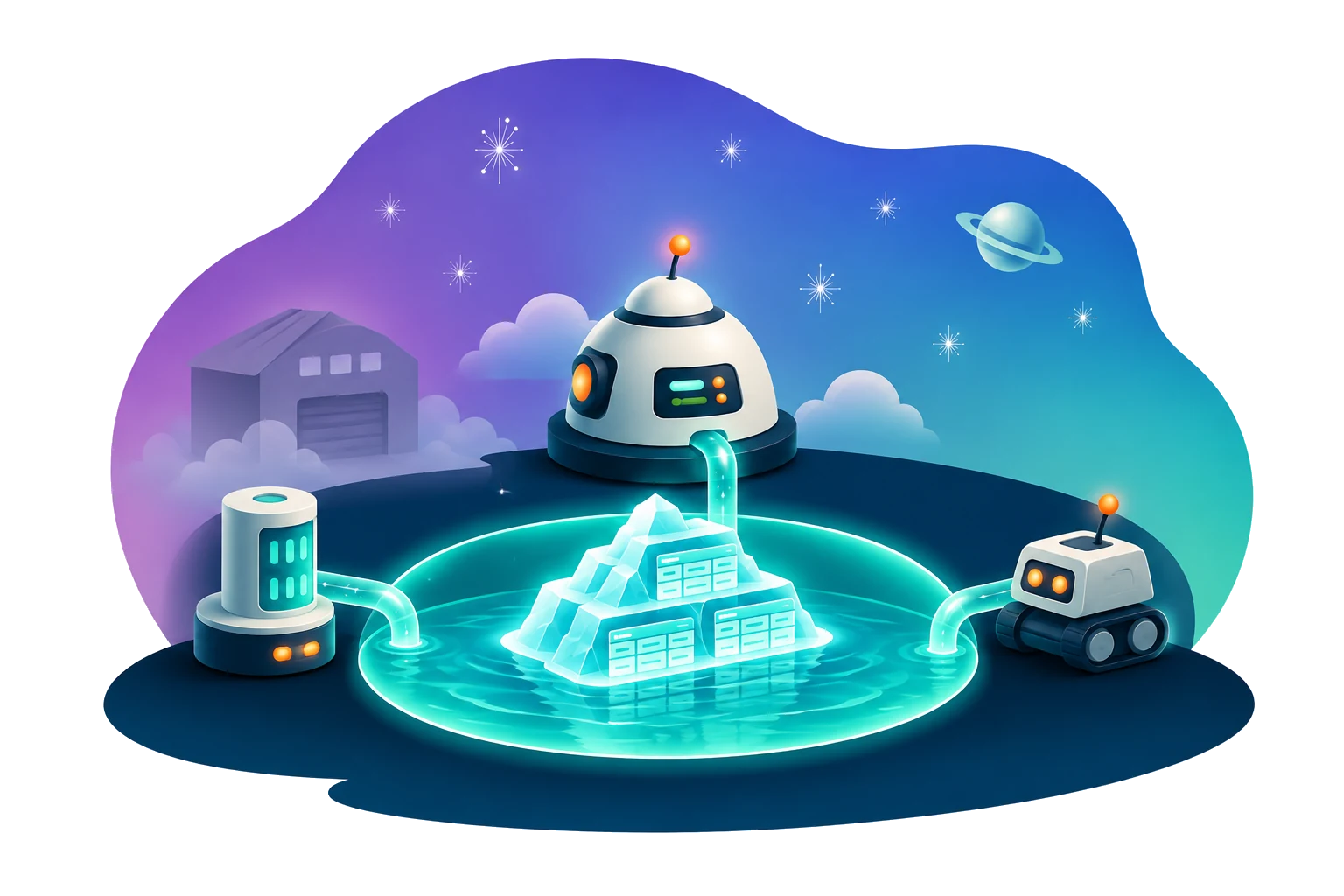
Lakes built for batch can't keep up
Many data lakes still run on Hive tables full of small files, nightly batch jobs and clusters that exist only to move and fix data. Teams that want fresh, open tables for analytics and AI face a choice between a long migration to a new platform and another layer of jobs on top of the old one. Meanwhile, engines often keep their own copies of the data, and those copies drift out of date.

Stale, batch-shaped data
Tables refresh nightly or hourly, while dashboards, applications and agents need the current state of every record.

Small files and slow tables
Frequent writes leave many small files, and scheduled compaction and OPTIMIZE jobs never quite catch up, so queries slow down as tables grow.
Clusters that exist to move data
Spark, Flink or Hive clusters run around the clock to ingest, merge and rewrite tables, sized for the peak and paid for all day.
Locked-in copies
Data copied into each warehouse or engine drifts apart, and moving off any one of them means another migration.
How Eon modernizes the lake
Eon Yukon uses Eon Stream to write open Apache Iceberg tables to your bucket and register them in your catalog, then keeps them clean, sorted and compacted as data lands. Snowflake, Databricks, BigQuery, Athena, Trino and Spark read the same tables in place. You keep your warehouse and tools, retire the jobs that move and fix data, and add fresh tables one stream at a time, with no migration project. History stays readable where it is while new data lands in Iceberg. Ad-hoc queries and Spark batch jobs can run on Eon Query, serverless and billed per query.
Open tables every engine reads in place
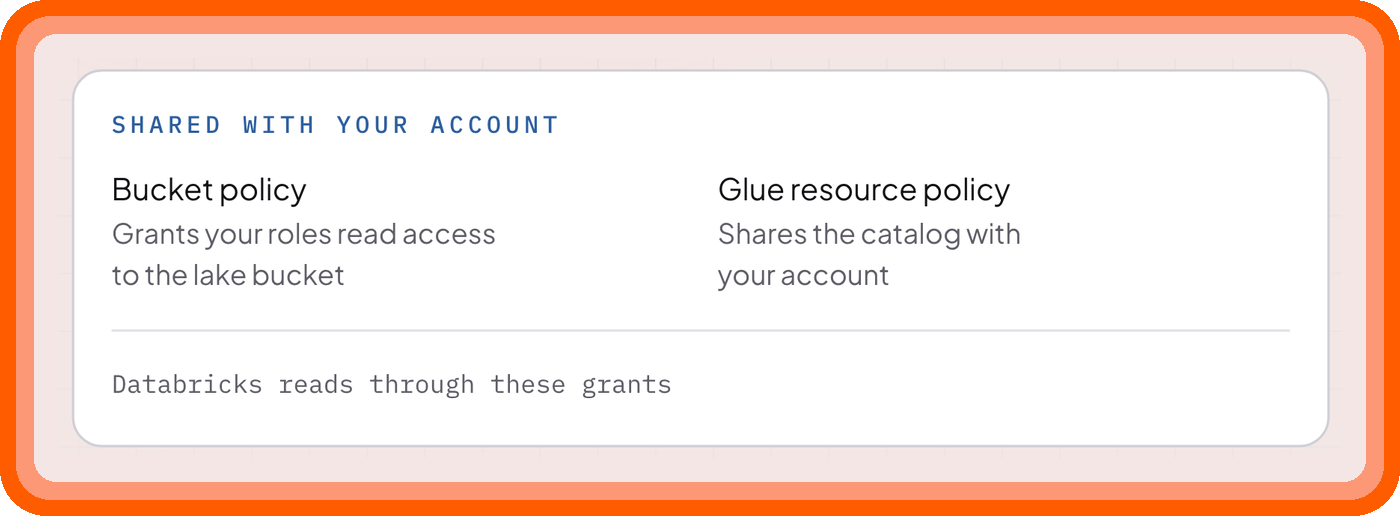
Tables are Apache Iceberg v2 and v3 in Amazon S3 or GCS, registered in AWS Glue, Google BigLake or any Iceberg REST catalog, and readable in Databricks through Unity Catalog federation. Anything that reads Iceberg reads what Eon writes, and when Eon runs the data plane for you, the lake is shared with your account rather than copied into it. With Eon Data Protection, database backups land as Iceberg tables in the same lake and catalog, readable by any engine, with no pipeline and no load on production.
Fresh tables that stay fast
Kafka topics and files in S3 or GCS land as tables within seconds, with deduplication and upserts applied, so the lake shows the current state instead of last night's. Compaction, sorting and snapshot cleanup run continuously, within minutes, and Eon writes statistics and bloom filters with every commit, so tables stay right-sized as they grow, with no OPTIMIZE jobs to schedule.

Runs where your data lives
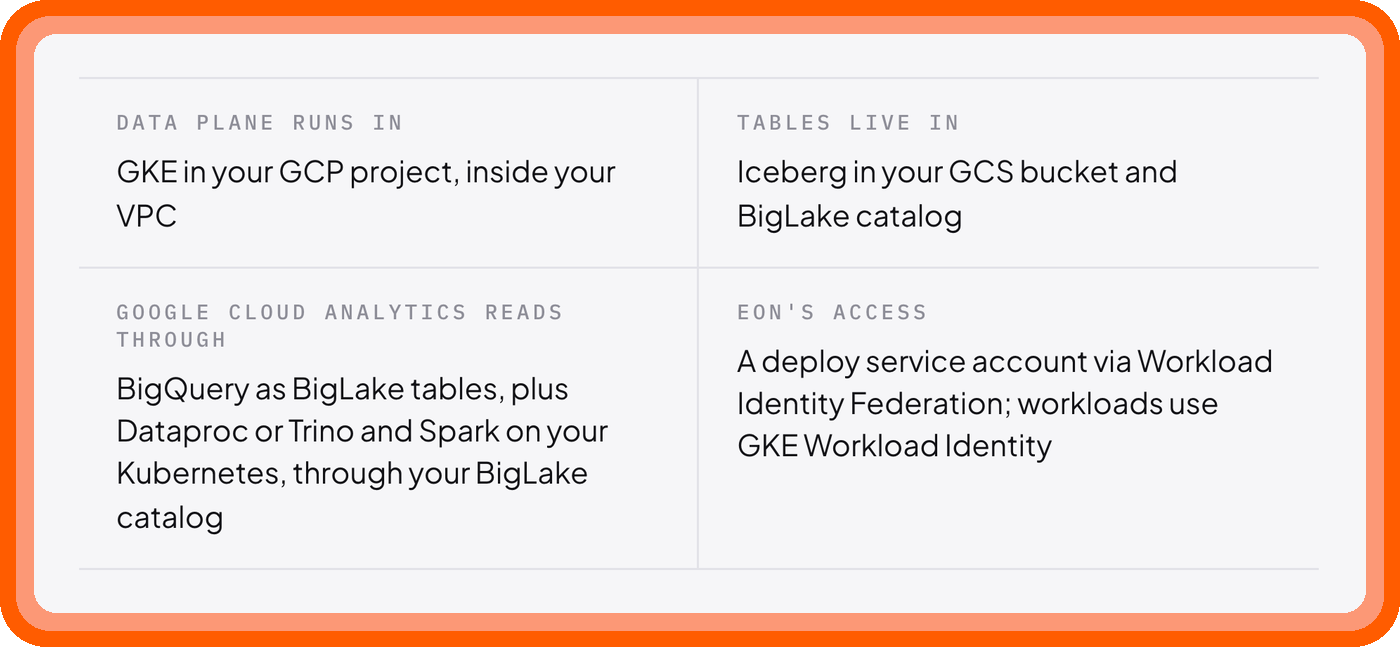
Run Eon managed in a dedicated account, or in your own AWS or Google Cloud account inside your VPC, in the region you choose. Databricks reads the tables through Unity Catalog federation, Snowflake through a catalog-linked database, and BigQuery through BigLake, with no copies and no load jobs.
See how Eon works in your environment
Bring a stream or a bucket your lake depends on today and we will show you that data landing as open Iceberg tables your engines already read.